What Is Traffic Monetization and Its Impact on iGaming
Over seven out of ten American digital marketers struggle to turn website visitors into real revenue, especially in the fast-moving world of iGaming. With so many players vying for attention, simply driving traffic is no longer enough. Whether you are new to affiliate marketing or seeking smarter strategies, understanding how to monetize traffic can be the difference between success and missed opportunities in this highly competitive industry.
Table of Contents
Key Takeaways
| Point | Details |
| Focus on Quality Traffic | Prioritize attracting high-intent audiences to maximize conversion rates and affiliate income. |
| Diversify Monetization Models | Employ multiple compensation structures like CPA, Revenue Share, and Hybrid to mitigate risk. |
| Continuous Learning and Adaptation | Stay updated on audience behaviors and platform regulations to optimize marketing strategies. |
| Emphasize Compliance and Ethics | Understand legal guidelines and maintain transparency to build trust and ensure long-term sustainability. |
Traffic Monetization Defined for Affiliates
Traffic monetization represents a strategic approach for digital marketers and affiliates to transform web traffic into direct revenue streams, particularly within the competitive iGaming ecosystem. Essentially, it involves converting website visitors, social media followers, and digital audiences into financial opportunities through carefully designed promotional techniques.
In the context of iGaming affiliate marketing, traffic monetization specifically means generating income by directing potential players toward online gambling platforms. This process requires understanding traffic sources for iGaming affiliate campaigns that deliver high-quality, conversion-ready audiences. Successful affiliates analyze multiple traffic channels including search engine optimization, social media marketing, content marketing, and targeted advertising to maximize their earning potential.
The core mechanics of traffic monetization in iGaming revolve around several key strategies:
-
Identifying high-converting traffic sources
-
Creating compelling content that attracts potential players
-
Utilizing advanced tracking and attribution technologies
-
Developing relationships with reputable online gambling platforms
-
Implementing performance-based commission structures
Affiliates generate revenue through various compensation models like Cost Per Acquisition (CPA), Revenue Share, or hybrid arrangements that reward them for driving qualified player traffic to online casinos. These models incentivize affiliates to not just generate volume, but to attract players who are likely to become active, long-term customers.
Pro Tip - Traffic Quality Matters: Focus on attracting targeted, high-intent traffic rather than pursuing raw visitor numbers. Quality traffic from audiences genuinely interested in online gambling will consistently deliver better conversion rates and more sustainable affiliate income.
Successful traffic monetization demands continuous learning, strategic adaptation, and a deep understanding of audience behaviors and platform dynamics. By remaining agile and data-driven, affiliates can transform their digital platforms into powerful revenue-generating assets within the rapidly evolving iGaming landscape.
Common Types of Monetization Models
Affiliate monetization models provide digital marketers with multiple strategic approaches to generate revenue from their online traffic. These models offer flexibility and diverse income streams tailored to different marketing objectives and audience engagement levels in the iGaming industry.
The primary monetization models include strategies for promoting online casinos that enable affiliates to maximize their earning potential. These core models are:
- Cost Per Acquisition (CPA)
-
Affiliates receive a fixed commission for each new player registration
-
Highest immediate payout structure
-
Rewards quality traffic with direct conversions
- Revenue Share
-
Percentage-based commission from player losses
-
Long-term recurring income potential
-
Incentivizes driving high-value, consistent players
- Hybrid Models
-
Combines CPA and Revenue Share elements
-
Balances immediate and ongoing revenue streams
-
Provides more stable income predictability
Each monetization model presents unique advantages and challenges. CPA models offer quick, predictable payouts but require high-volume traffic. Revenue Share models create sustainable passive income but depend on player retention and consistent gambling activity. Hybrid models attempt to balance these competing priorities by offering affiliates multiple revenue generation pathways.
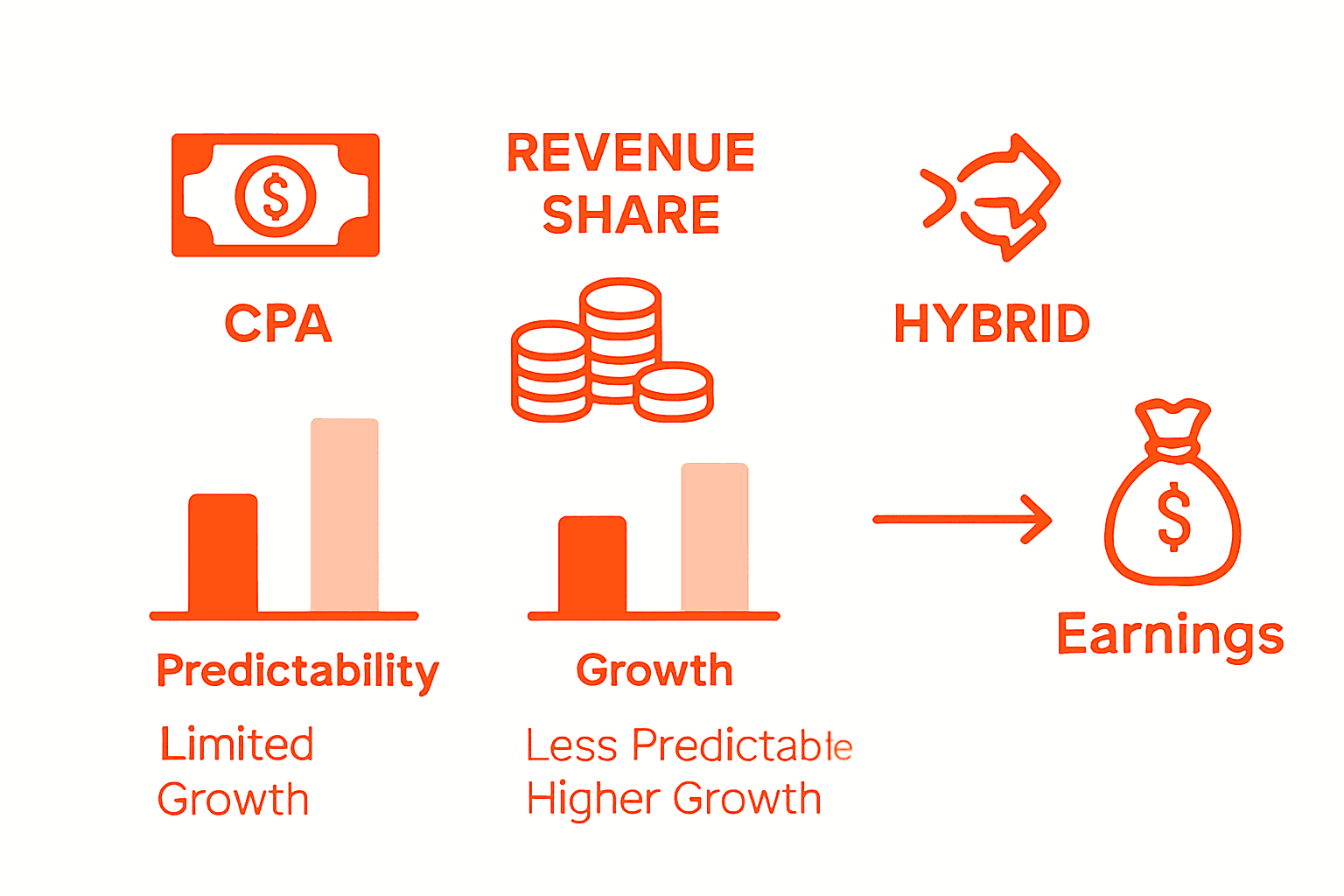
Here’s a summary of the main monetization models and their business impact:
| Model | Revenue Predictability | Short-Term Income Potential | Long-Term Growth Potential |
| Cost Per Acquisition (CPA) | Highly predictable | Highest | Moderate |
| Revenue Share | Less predictable | Moderate | Strong |
| Hybrid | Balanced | Good | Good |
Successful affiliates often diversify their approach, utilizing multiple monetization strategies across different platforms and traffic sources. This approach mitigates risk and maximizes potential earning opportunities within the dynamic iGaming ecosystem.
Pro Tip - Diversification Strategy: Never rely on a single monetization model. Experiment with different commission structures and track performance metrics to optimize your affiliate marketing approach and minimize income volatility.
How Traffic Monetization Works in iGaming
Traffic monetization in iGaming represents a sophisticated ecosystem where digital marketers transform online audiences into valuable revenue streams through strategic partnerships and targeted promotional techniques. By leveraging advanced tracking technologies and data-driven insights, affiliates can effectively connect potential players with online gambling platforms.
The mechanics of traffic monetization involve multiple interconnected components. Analyzing iGaming data helps optimize affiliate conversions by providing critical insights into audience behaviors, traffic quality, and conversion potential. Key steps in this process include:
-
Identifying high-potential traffic sources
-
Creating compelling, targeted content
-
Implementing sophisticated tracking mechanisms
-
Utilizing advanced audience segmentation techniques
-
Developing strategic partnerships with online gambling platforms
Modern traffic monetization strategies extensively utilize digital marketing channels like social media platforms, search engine marketing, content marketing, and targeted advertising. Social media platforms such as Meta (Facebook and Instagram) have become particularly valuable, offering refined targeting options that allow affiliates to reach precisely defined audience segments interested in online gambling entertainment.

Successful traffic monetization requires continuous optimization and adaptation. Affiliates must constantly analyze performance metrics, understand audience preferences, and refine their promotional strategies. This involves tracking key indicators like click-through rates, conversion rates, player retention, and lifetime value to ensure maximum revenue generation from their digital traffic sources.
Pro Tip - Performance Tracking: Implement comprehensive analytics tools that provide real-time insights into your traffic performance, enabling rapid strategic adjustments and maximizing your affiliate marketing potential.
Legal and Ethical Considerations Globally
Traffic monetization in the iGaming industry operates within a complex global landscape of legal and ethical challenges that require careful navigation and compliance. Affiliates must understand the intricate regulatory frameworks governing online gambling and digital marketing across different jurisdictions to maintain both legal integrity and professional reputation.
High ROI iGaming markets demand comprehensive understanding of regional regulations, which vary significantly between countries and regions. Critical legal considerations include:
-
Compliance with local gambling regulations
-
Transparent disclosure of affiliate relationships
-
Age verification protocols
-
Prevention of predatory marketing practices
-
Responsible gambling promotion guidelines
Ethical challenges in traffic monetization extend beyond legal compliance. Research indicates substantial transparency issues in digital marketing, with studies revealing that less than 10% of affiliate content includes proper disclosures. This underscores the critical importance of maintaining clear communication about commercial relationships and potential financial incentives with audience members.
Modern iGaming affiliates must adopt a proactive approach to ethical marketing. This involves implementing robust responsible gambling practices, protecting vulnerable populations, and creating content that prioritizes user safety over immediate financial gains. Successful affiliates recognize that long-term sustainability depends on building trust, maintaining transparency, and demonstrating genuine commitment to ethical digital marketing standards.
Key compliance and ethical requirements for iGaming affiliates in global markets include:
| Compliance Issue | Example Requirement | Business Risk |
| Local Regulation | Adhere to country laws | Fines or site bans |
| Affiliate Disclosure | Clear partner statements | Loss of audience trust |
| Age Verification | Prevent underage access | Severe legal consequences |
| Responsible Gambling | User safety messaging | Reputation damage |
Pro Tip - Compliance Strategy: Develop a comprehensive compliance checklist for each market you operate in, regularly updating your protocols to align with evolving legal and ethical standards in the iGaming industry.
Critical Risks and Common Mistakes to Avoid
Traffic monetization in iGaming demands strategic precision and careful navigation to avoid potentially catastrophic errors that can undermine an affiliate’s entire marketing approach. Understanding and proactively addressing common pitfalls is crucial for long-term success in this competitive digital landscape.
Avoiding common iGaming affiliate mistakes requires comprehensive awareness of potential risks. The most critical mistakes affiliates frequently encounter include:
-
Neglecting platform-specific advertising regulations
-
Failing to diversify traffic sources
-
Overlooking audience targeting precision
-
Ignoring compliance and legal requirements
-
Underestimating the importance of tracking and analytics
Social media platforms present unique challenges for iGaming traffic monetization. Strict advertising policies mean that affiliates must obtain prior platform approvals and meticulously comply with complex regulatory frameworks. Unsuccessful marketers often make the mistake of using static image advertisements, which are increasingly deprioritized by platform algorithms in favor of dynamic, engaging video content.
Risk management in traffic monetization extends beyond technical compliance. Successful affiliates must develop robust strategies that protect against potential financial losses, reputation damage, and legal complications. This involves continuous learning, adapting to changing platform policies, maintaining transparent relationships with partners, and implementing sophisticated tracking mechanisms to monitor campaign performance.
Pro Tip - Risk Mitigation: Develop a comprehensive risk management protocol that includes regular compliance audits, diversified traffic strategies, and continuous education about evolving platform regulations and market dynamics.
Maximize Your Traffic Monetization Efforts with Revillion Partners
The challenge of converting high-intent iGaming traffic into sustainable revenue requires more than just strategy. With the complexity of diverse traffic sources, compliance demands, and the need for precise tracking, affiliates must partner with a platform built to empower growth. If you’ve faced difficulties optimizing your campaigns or diversifying revenue streams through CPA, Revenue Share, or Hybrid models, you are not alone. Successful traffic monetization depends on real-time analytics, secure tracking, and access to trusted, licensed casino partners across multiple markets.
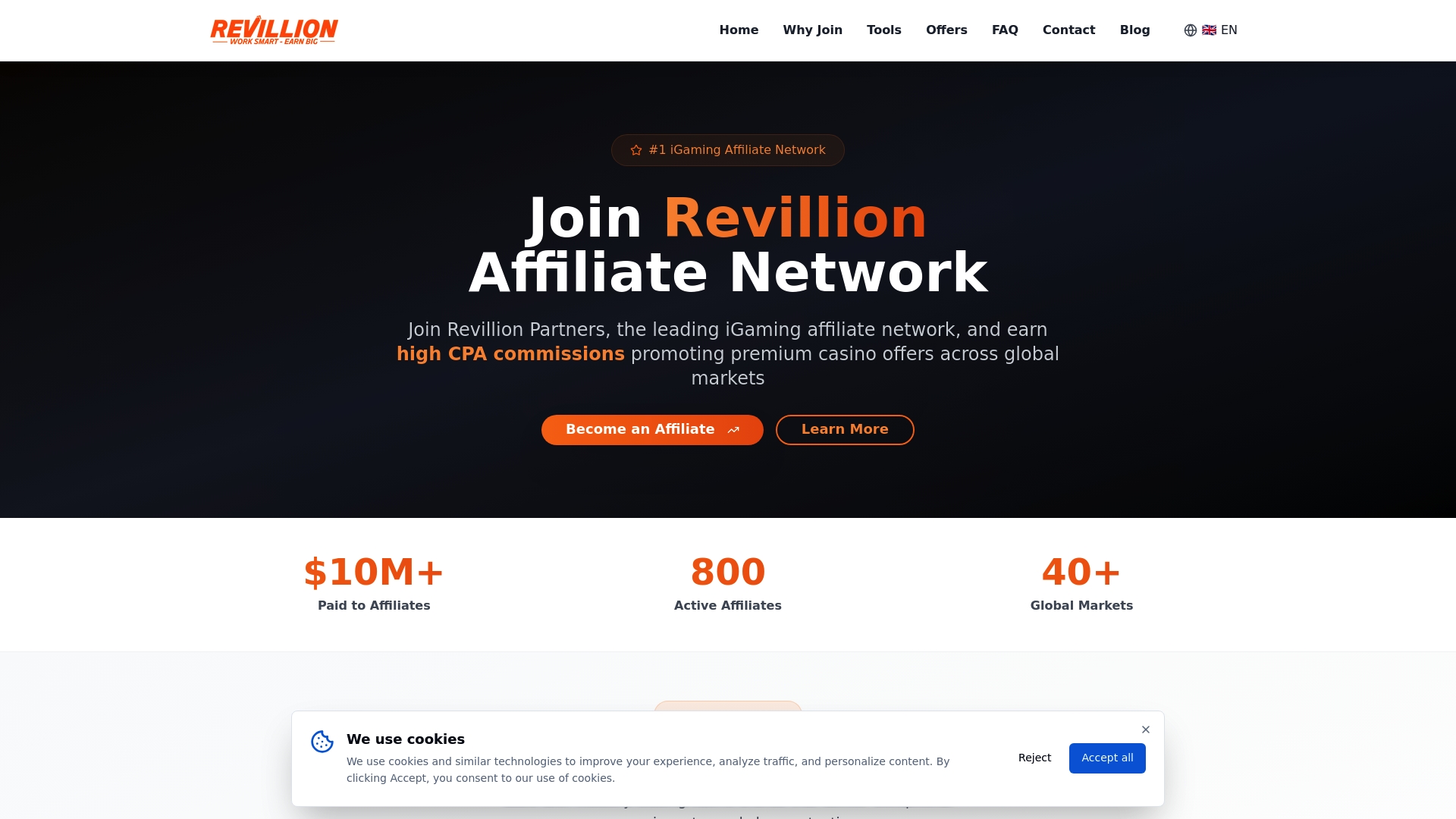
Unlock your full earning potential today by partnering with Revillion Partners. Our platform offers advanced campaign tools, optimized social media URLs, and a broad portfolio of premium online casino brands in Europe, Latin America, Asia-Pacific, North America, and Africa. Gain valuable insights to refine your audience targeting and enjoy transparent reporting with reliable payments. Start transforming your web traffic into consistent, high-converting revenue streams now by exploring how Revillion Partners connects affiliates with top casino offers. Take control of your iGaming affiliate marketing journey and experience the difference that precision and technology make.
Frequently Asked Questions
What is traffic monetization in the context of iGaming?
Traffic monetization in iGaming refers to the strategies used by affiliates to convert website visitors into revenue streams by directing them toward online gambling platforms.
How do affiliate monetization models work in iGaming?
Affiliate monetization models, such as Cost Per Acquisition (CPA), Revenue Share, and Hybrid models, provide different ways for affiliates to earn money based on the traffic they generate and the players they attract.@
Why is traffic quality important for iGaming affiliates?
Traffic quality is crucial as it affects conversion rates. High-quality, targeted traffic from users genuinely interested in online gambling results in better earnings and a more sustainable affiliate income.
What are the common risks associated with traffic monetization in iGaming?
Common risks include neglecting compliance and legal requirements, failing to diversify traffic sources, and not utilizing advanced tracking systems, which can lead to financial losses and reputational damage.